
Know What Was There Before Anything Changes.
Asset Continuity creates detailed, field-captured records of residential, commercial, industrial, and managed properties. From post-make-ready and pre-tenant condition records to pre-construction documentation, roof plans, thermal observations, and hard-to-reach area imaging, we turn existing conditions into organized, usable deliverables.
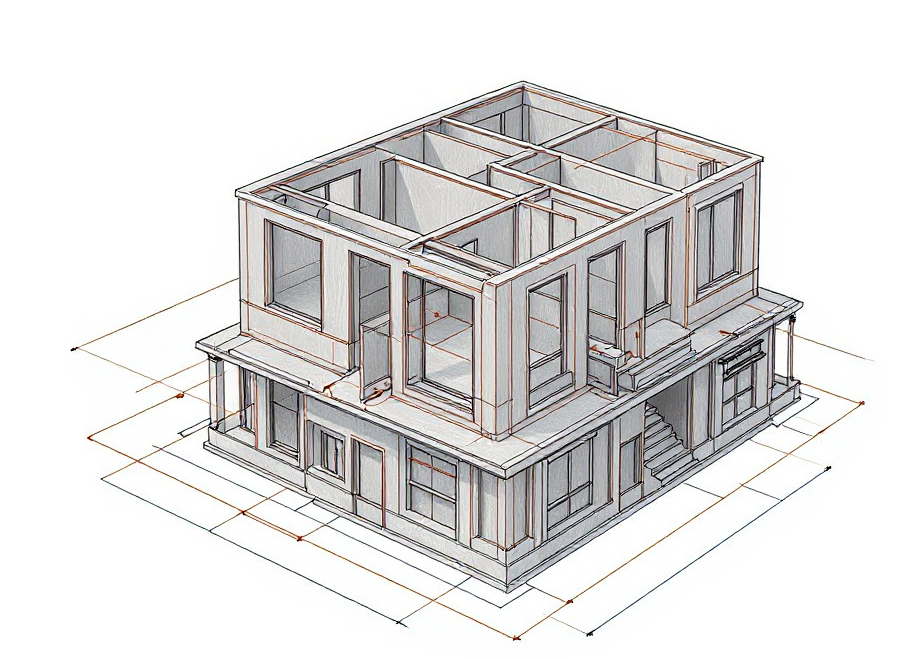
Before Work Begins, Tenants Move In, or Damage Spreads—Document What Exists.
Property conditions can change quickly. Renovation work covers infrastructure. Tenants move in. Water damage expands. Repairs alter visible evidence. And the details needed later are often left in scattered photos, incomplete notes, or someone’s memory.Asset Continuity provides a clear, date-specific record of the property as found. We capture the layout, visible conditions, measurements, building features, and project-specific details needed to support planning, communication, estimating, restoration, maintenance, and future reference.
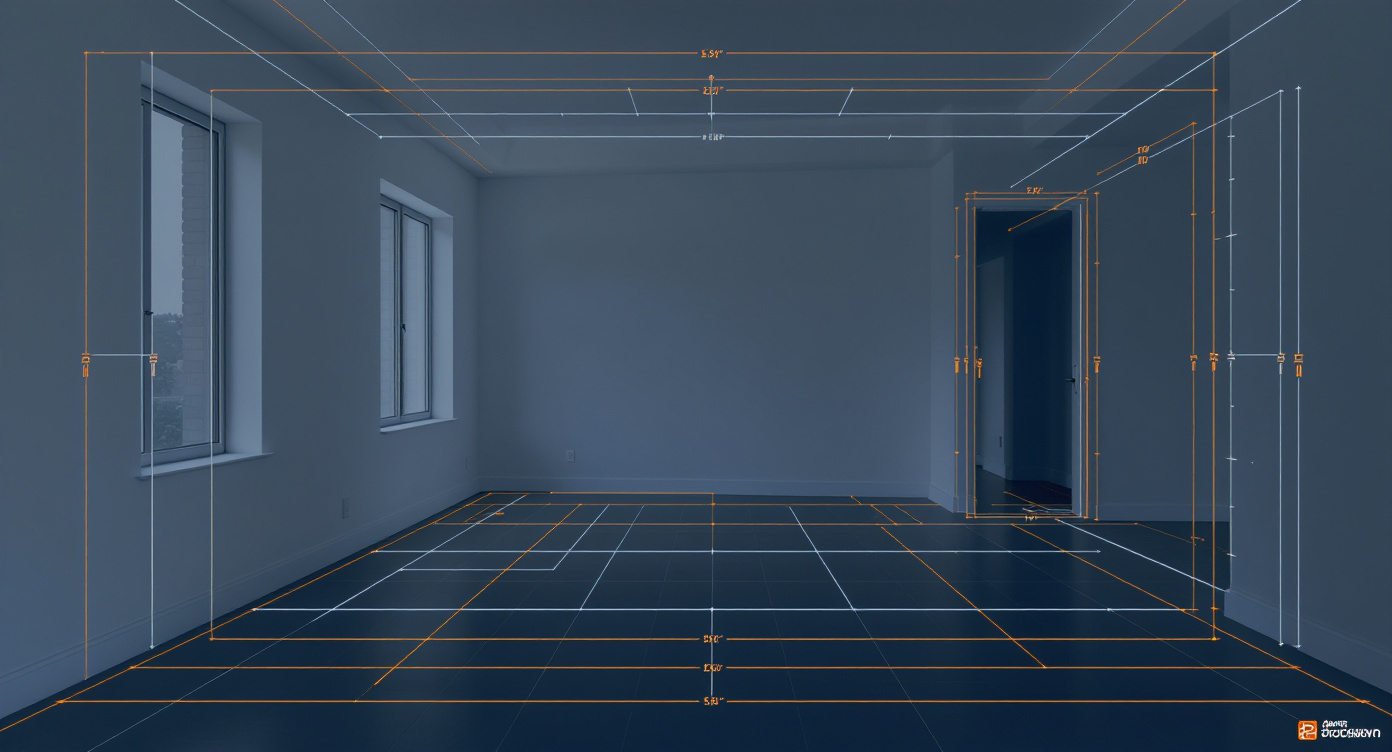
Establish a defensible baseline
Create an organized reference of observable property conditions before occupancy, construction, repairs, restoration, or other changes occur.
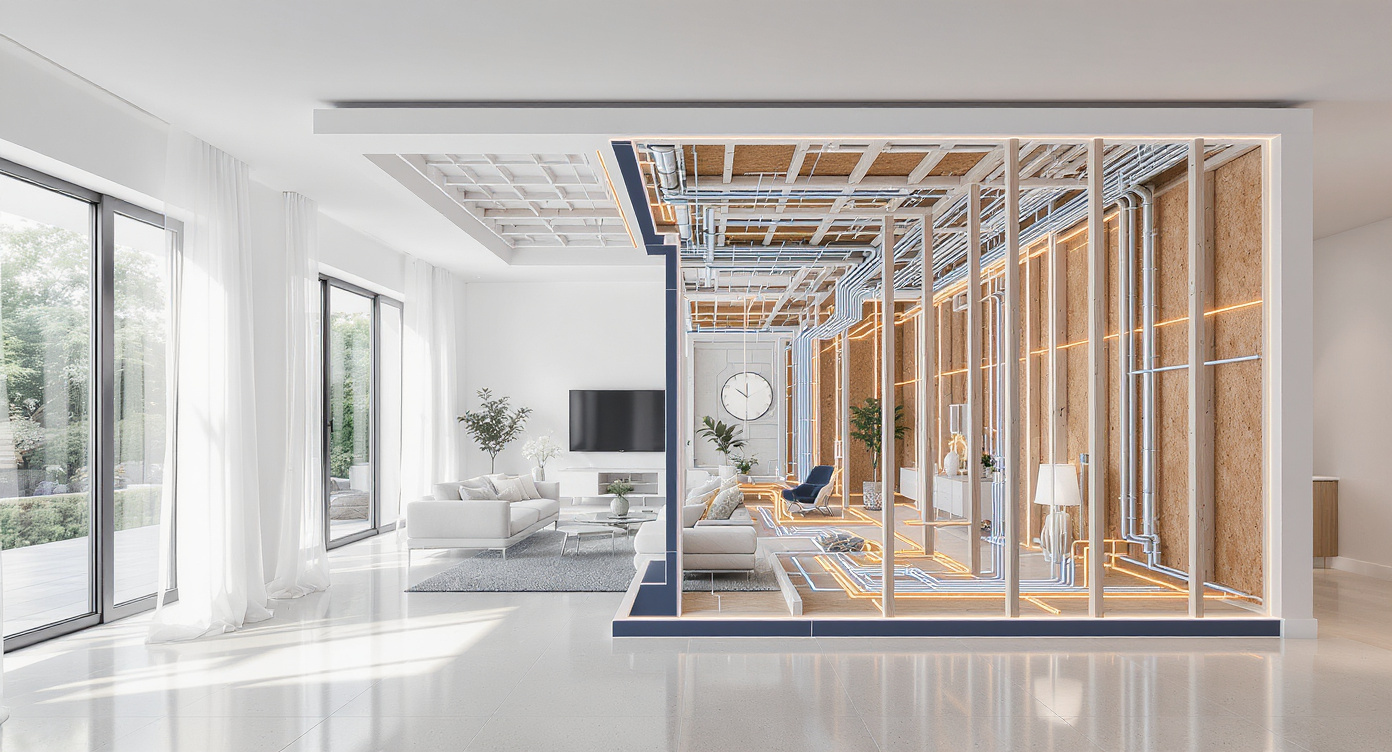
See what is difficult to access
Document concealed, elevated, tight, or hard-to-reach locations with project-appropriate visual methods.
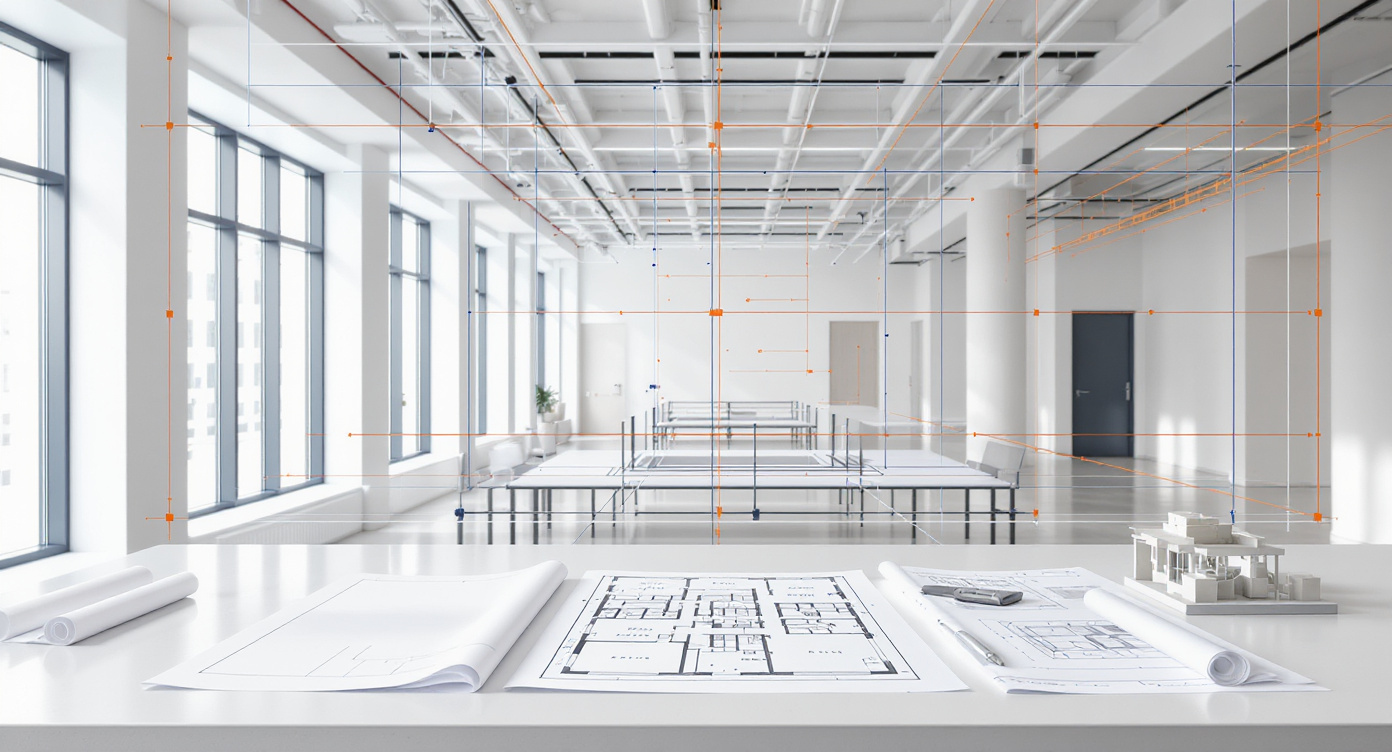
Plan with better information
Use measured plans, site documentation, imagery, and supporting observations to reduce uncertainty before design, estimating, or field work begins.
Move Forward With Clarity, Not Assumption.
Every assignment begins with the same objective: capture a useful record of the property’s observable condition before the next event changes it.
Discuss Your Documentation Needs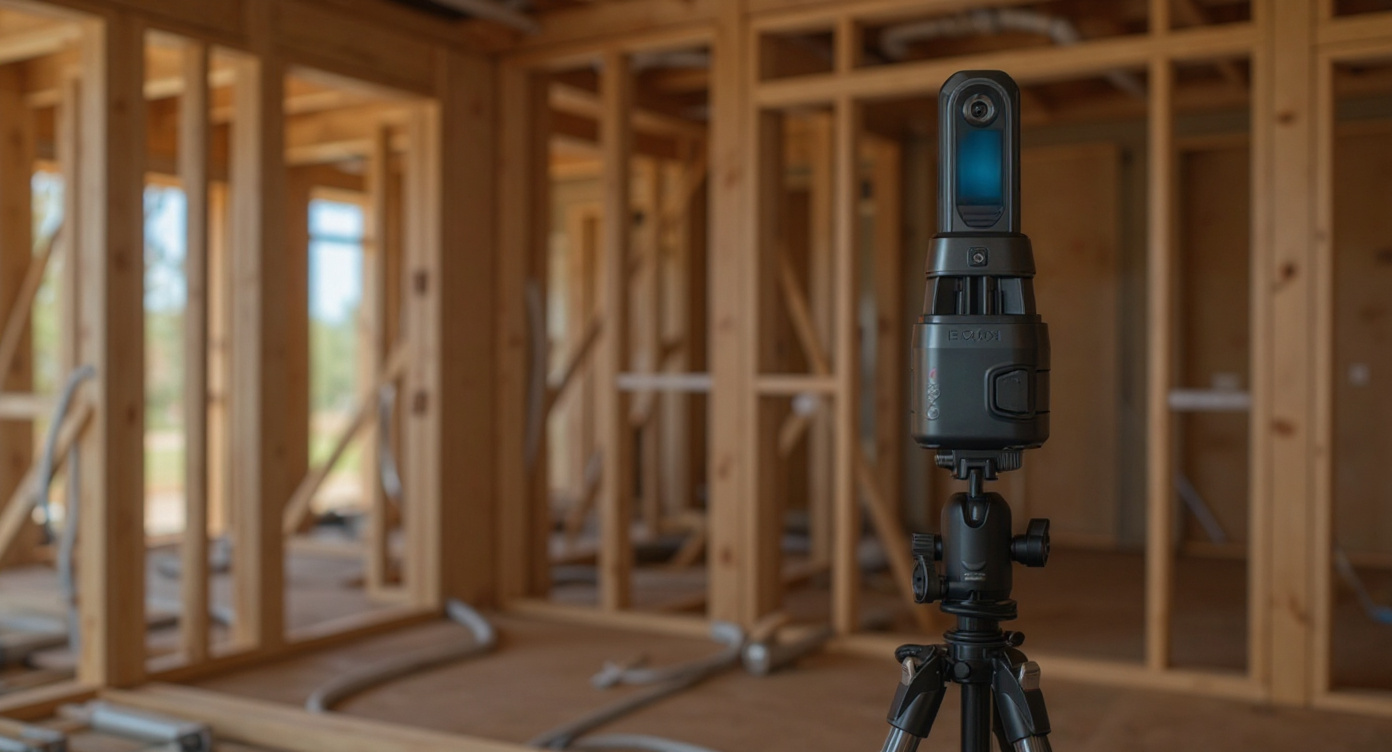
Turn Critical Asset Knowledge Into Operational Clarity
Asset Continuity gives your team a structured way to access the records, revisions, files, and hard-earned expertise behind every asset so better decisions can be made with confidence.
- Post-make-ready documentation
- Create a clear record after turnover work is complete and before a unit is returned to service or presented to a new tenant.
- As-found property records
- Capture an organized baseline of a property as it exists today for owners, managers, investors, and project teams.
- Pre-construction and pre-drywall documentation
- Record accessible infrastructure, framing, mechanical runs, plumbing, electrical pathways, and other visible building elements before they are covered.
- Insurance and loss documentation support
- Create a detailed visual and spatial record of observable conditions following a loss or incident, before remediation and repairs change the site.
- Facility and asset condition documentation
- Document rooms, building systems, site features, equipment areas, and property conditions for maintenance planning, project coordination, and asset records.
- Renovation and tenant-improvement documentation
- Document existing layouts and conditions before demolition, design, estimating, renovation, or tenant-improvement work begins.
Deliverables Built Around Your Project—not a One-Size-Fits-All Package
The right documentation package depends on the property, the question that needs to be answered, and how the record will be used. Asset Continuity scopes each project around practical deliverables that support your next decision.
- Existing-condition visual record
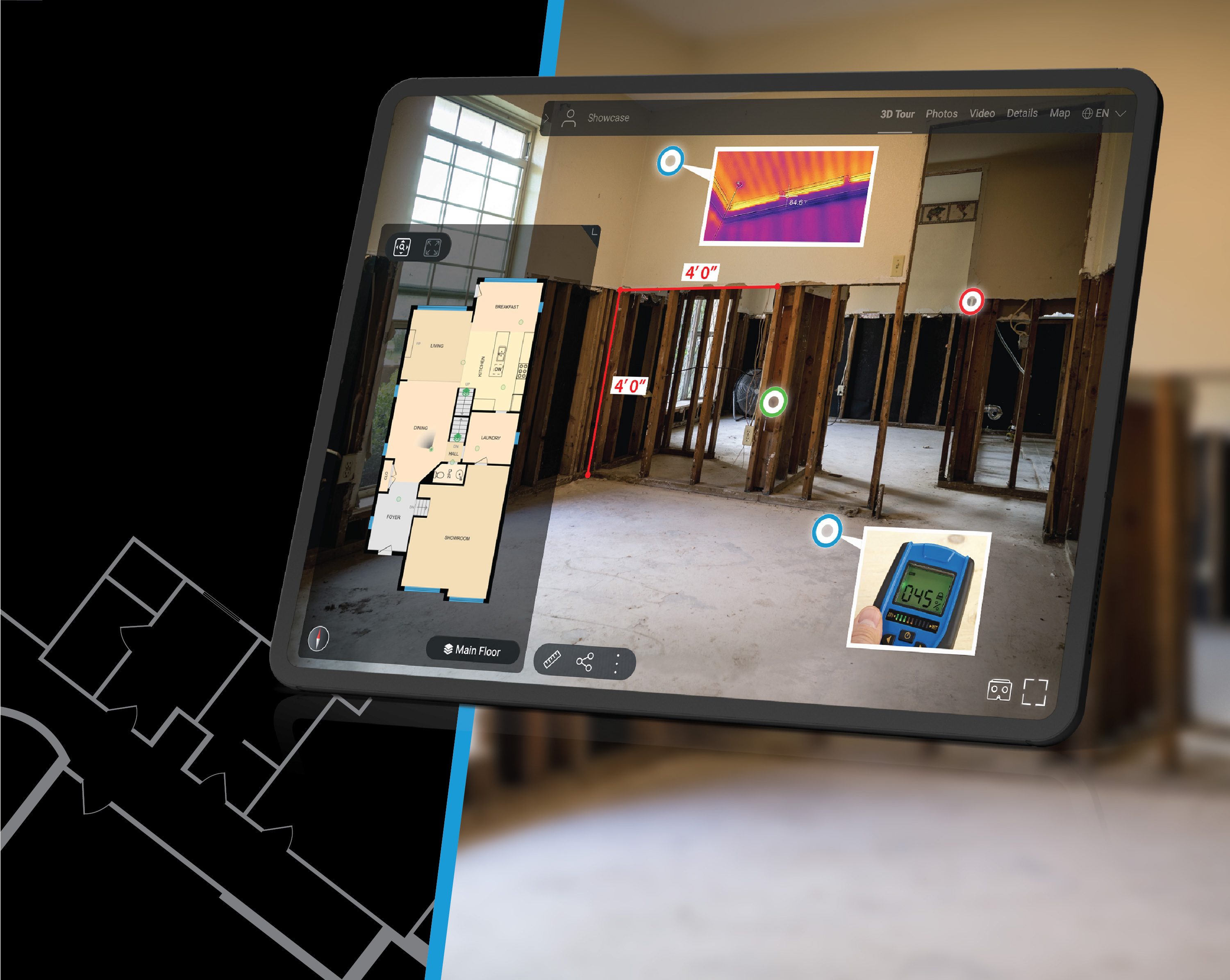
- A comprehensive, navigable visual record of accessible areas and observable conditions at the time of documentation.
- Measured floor plans
- Clear floor-plan deliverables to help teams understand layouts, room relationships, dimensions, and usable space.
- Roof plans and exterior documentation
- Document roof geometry, exterior elements, access routes, visible site conditions, and property flow where project scope requires it.
- 3D models and spatial deliverables
- For projects that require a richer spatial reference, ask about available 3D model and point-cloud-based deliverables.
- Thermal imaging observations
- Use thermal imaging to document temperature differences and patterns that may warrant further investigation. Thermal imagery is a screening and documentation tool; it is not a diagnosis of moisture intrusion, defects, or hidden conditions.
- Moisture readings and issue tagging
- Document readings and observed locations when moisture-related concerns are part of the assignment. Results are recorded as field observations and should be evaluated by the appropriate qualified trade or specialist when necessary.
- Borescope imaging
- Capture visual documentation of accessible cavities and hard-to-see locations when scope, access, and conditions permit.
- Project-specific annotation packages
- Organized imagery, location tags, notes, and annotations focused on the details your team needs to review later.

Replace assumptions with a shared record of existing conditions.
When a property changes, assumptions create risk. A shared record of existing conditions gives owners, managers, contractors, adjusters, and project teams one clear reference point before work begins, tenants move in, repairs alter the space, or a loss complicates the picture. Asset Continuity documents the visible layout, conditions, measurements, and project-specific details that matter—so every stakeholder can work from the same facts, make better decisions, and spend less time sorting through scattered photos, incomplete notes, and conflicting recollections.

Capture defensible as-found conditions, preserve critical records for future decisions.
When conditions change, details are easily lost. Asset Continuity captures the layout, visible conditions, measurements, and critical property information as it exists today—before construction begins, repairs alter the space, tenants move in, or a loss makes the original condition harder to establish.Your completed record remains organized and accessible, giving owners, managers, contractors, adjusters, and project teams a reliable point of reference for future repairs, planning, claims support, and informed decisions.
Data Preservation Journey
Data Types Preserved Over the time
The value of a physical asset is not measured only by its condition—but by the record that preserves its history, details, and future needs.

Winter 2025
Property Damage Occurs

Spring 2026
As-Found Conditions Are Documented

Spring 2026
A Secure Digital Record Is Created
%20(4).png)
Summer 2026
Scope, Estimates, and Repairs Are Coordinated

Summer 2026
Rehabilitation or Restoration Begins

Fall 2026
Repairs, Upgrades, and Changes Are Added

Fall 2026
The Asset Record Remains Available for Life


