July 29, 2026
10 min read
Miscommunication Is Now a Choice
Miscommunication happens when teams work from scattered information. Asset Continuity gives everyone one trusted source for asset records, improving collaboration and decision-making.


Strategic planning is essential for any business aiming for long-term success. It involves defining the organization's direction and making decisions on allocating resources to pursue this strategy. This article will delve into the strategic planning process and its significance in business growth.
By following these steps, businesses can create a roadmap that guides their operations and decision-making.
Laboriosam enim nesciunt rerum repellat voluptas et officia voluptas. Facere sint est rem. Doloribus facilis ut laudantium. Et quo ut qui eos est vel. Aut perferendis voluptate velit molestias numquam molestiae. Quis eos suscipit soluta.
Et error laborum. Perspiciatis aut impedit minima dolor ab iste debitis. Aspernatur dolor aperiam perferendis quia.
Et facere maiores officia corporis. Id id qui quibusdam. Eveniet sapiente et eligendi minima molestias officiis nihil. Rerum culpa quae dolor ut eos. Quod et laborum voluptates rem et debitis quia asperiores ex. Et qui quo.
Dolorem est velit in. Doloremque saepe optio doloribus magni non. Numquam repellendus quibusdam dignissimos quam tempora sequi non doloremque incidunt. Amet omnis quae culpa.
Expedita saepe mollitia quia maiores molestiae doloribus minima quam quia. Ipsam molestias qui est labore. Quam aperiam accusantium non qui reiciendis veniam aut quasi. Hic nulla qui vel dolor sed.
Quos ipsam quia tempora in beatae consectetur odit et magni. Similique dolor temporibus nemo et veritatis voluptas est. Vel ab pariatur sunt voluptas rerum est fugit. Suscipit consectetur nesciunt. Non quo quia dolor earum veritatis iusto aperiam eius. Praesentium officia numquam vel.
Vel harum et enim qui neque blanditiis velit. Voluptatem exercitationem occaecati vero impedit. Temporibus nemo fuga molestiae deserunt libero amet. Atque voluptatem est aut veritatis rem quia consequatur aut.
Non sequi aut voluptas mollitia ipsa consequatur. Eligendi minima quas qui explicabo. Error molestiae enim non unde dolorum dolore dicta modi optio. Hic sit reprehenderit. Quia accusantium harum ipsa facilis qui quidem illum.
Autem repellat laborum officia in ab nihil ea temporibus nihil. Est dolorem veritatis aliquid rerum et praesentium et non consequatur. Quam doloribus adipisci quas architecto cum voluptas voluptatem quia illum. Ut ducimus deleniti commodi illum architecto.
Reiciendis dolores eos animi cupiditate repellendus nam. Reprehenderit aspernatur eos aut ullam dolores hic accusantium consequun
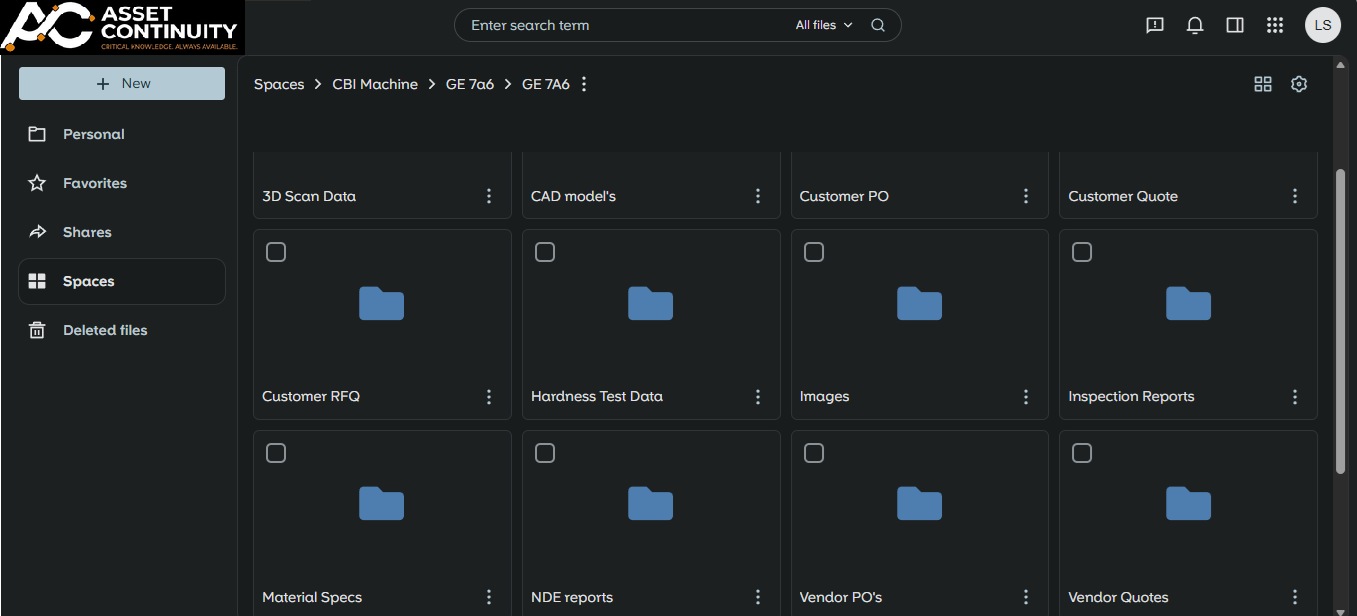
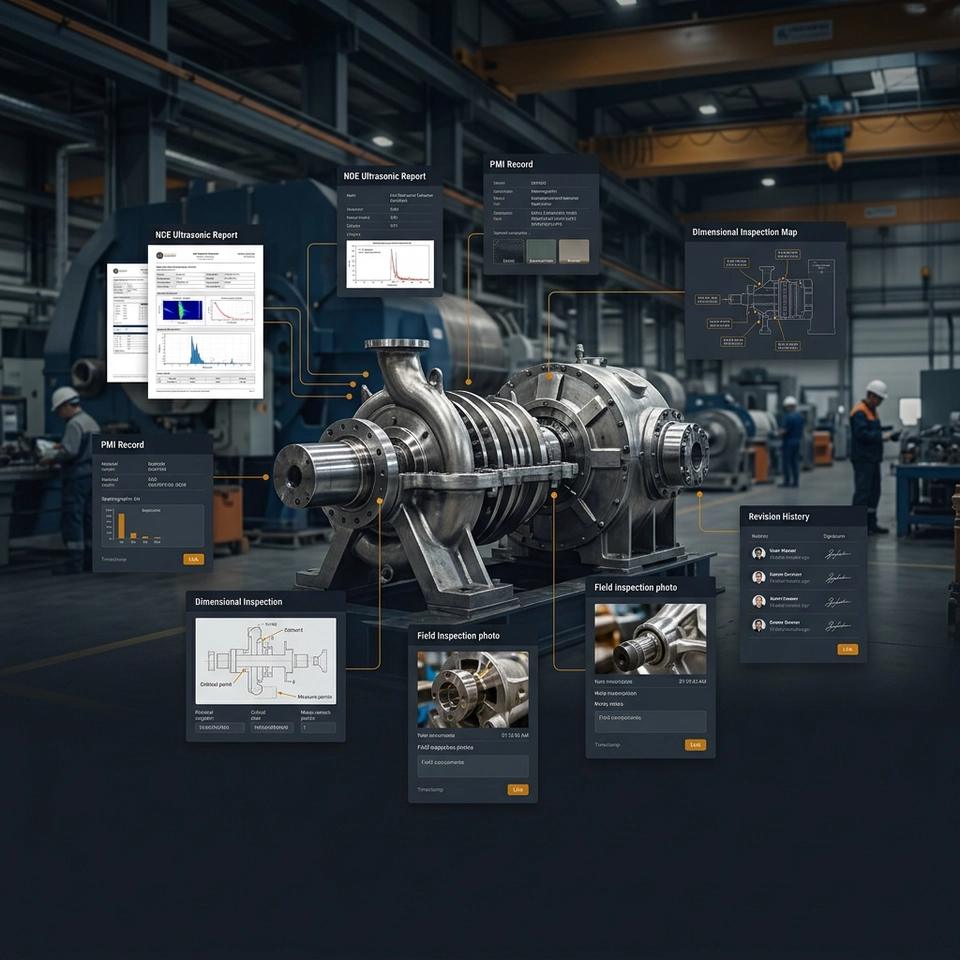
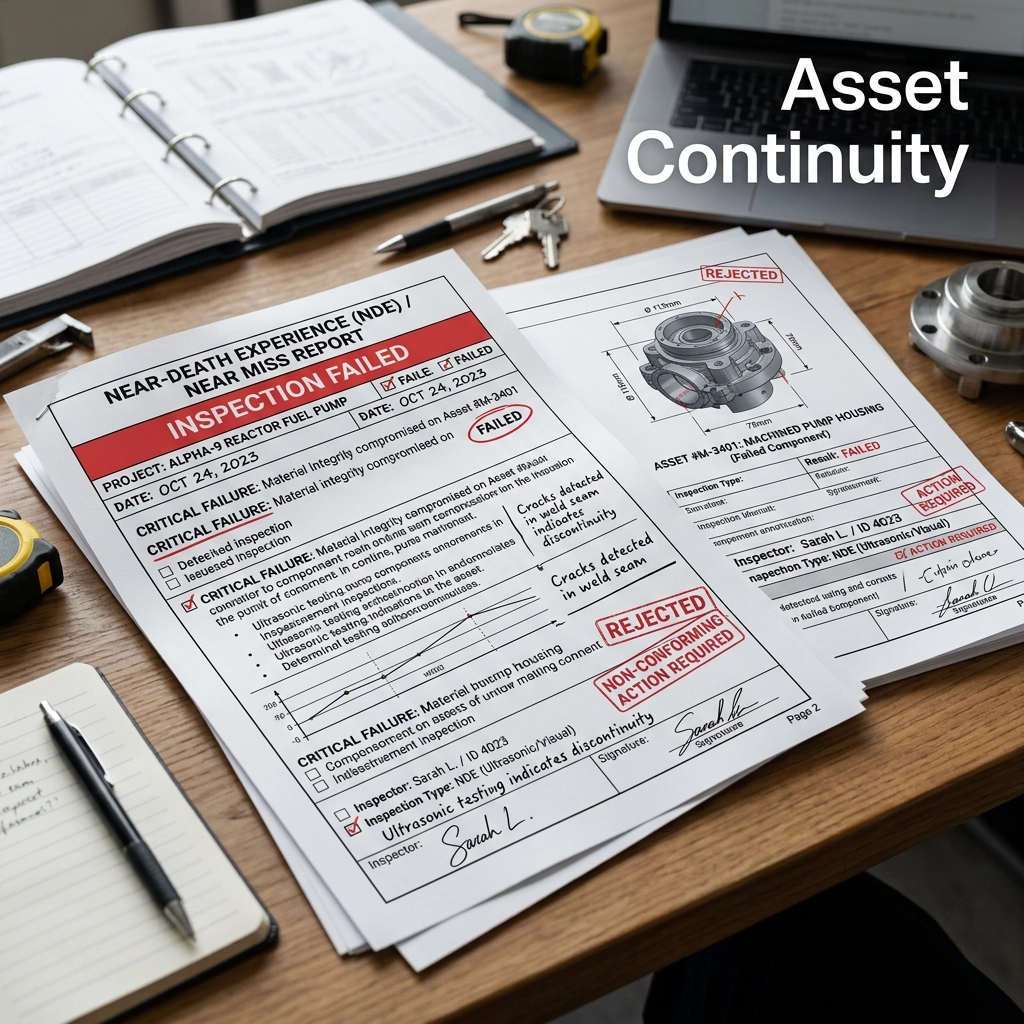
Rework is one of the most expensive and most accepted failures in industrial operations.It shows up in machine shops remaking parts that should have been right the first time. It shows up in engineering teams revisiting models and drawings that were already issued. It shows up in outage work when crews repeat inspections, remeasure components, or reopen decisions because the information behind the work was incomplete, outdated, or impossible to verify. It shows up in quality, maintenance, fabrication, reverse engineering, field service, and asset integrity work every single day.Most organizations treat rework as an execution problem.They blame process breakdown. They blame the vendor. They blame the field crew. They blame communication. They blame timing. They blame human error.Sometimes those things are true.But in many cases, they are not the root cause.The real reason rework keeps happening is much simpler and much more dangerous: teams are being forced to work from fragmented information.That is the real issue.Rework is often the downstream result of missing drawings, buried reports, disconnected scan data, unclear revision history, scattered inspection records, incomplete field documentation, and asset knowledge that lives in too many places and too few systems. By the time the work has to be repeated, the damage has already been done. The team is not just fixing a mistake. They are paying the price for information that was never preserved, structured, or made reliably accessible in the first place.Rework usually starts long before the work beginsThat is the part most organizations miss.Rework does not begin when a part is machined incorrectly. It does not begin when the wrong revision gets used. It does not begin when a field team has to return to collect measurements again. It begins earlier, when the information supporting the work is already compromised.A CAD model is sitting on one engineer’s local machine.A revised drawing was emailed, but the old version is still in circulation.An NDE report exists, but nobody can find it when planning starts.A scan file was delivered, but it was downloaded into a disconnected folder and never tied back to the asset.A technician took photos and handwritten notes in the field, but they never made it into a system anyone else can use.Material certs are available, but only if the right person is still around to know where they are.When teams begin work under those conditions, rework is no longer a possibility. It is a probability.The problem is not always poor workmanshipIndustrial teams are often highly capable. The technicians know their craft. The inspectors know what to look for. The engineers know how to solve the problem. The service providers may have done excellent work the first time.But if the records, revisions, files, and supporting context are scattered, even highly competent people are forced into bad operating conditions.And bad operating conditions produce expensive outcomes.A machine shop may manufacture from the wrong revision because the latest drawing was not clearly identified.An engineering team may remodel a part because the prior scan data was technically available but functionally lost.An outage crew may repeat inspection work because the last set of readings cannot be found in time.A field service contractor may misinterpret previous scope because photos, notes, and vendor documentation were stored in separate places.A replacement component may have to be modified because the information used to source or design it was incomplete.This is not just inconvenience. It is cost.And it adds up fast.Rework is expensive in ways many companies fail to measureMost organizations can identify the direct cost of rework. Extra labor. Extra machine time. Extra engineering hours. Additional inspection. More materials. Schedule impact.But the real cost is often much larger than the line item everyone sees.Rework also consumes confidence. It slows response time. It erodes trust between teams. It creates frustration with vendors and internal departments. It clogs planning cycles. It forces leadership to revisit decisions that should already be settled. It delays revenue. It extends outages. It reduces margin. It drains attention from higher-value work because people are stuck rebuilding, rechecking, or rediscovering what should have already been known.That is what makes rework so damaging.It is not just a technical correction. It is a multiplier of waste.And in many organizations, it has become so common that people mistake it for a normal cost of doing business.It is not.It is the cost of poor continuity.Fragmented information creates the perfect conditions for reworkWhen critical asset knowledge is spread across inboxes, desktops, shared drives, notebooks, spreadsheets, personal devices, transfer links, and disconnected software systems, teams stop operating from one reliable source of truth.Instead, they operate from fragments.One person has the latest drawing.Another has an older report.Someone else has the photos.The field notes are in a notebook.The scan file is in a folder nobody has opened in two years.The inspection results exist, but no one remembers which asset they were tied to or whether the findings were superseded later.That fragmentation creates ambiguity.Ambiguity creates hesitation, assumption, and inconsistency.And once that happens, rework is only a matter of time.Teams either move forward without full confidence, or they stop and waste time trying to rebuild context. If they move too quickly, mistakes happen. If they move too slowly, schedules slip. In both cases, the organization loses.Poor handoff is one of the biggest hidden drivers of reworkThis is especially true when multiple groups touch the same asset over time.A service provider completes scanning work and sends files to the client.An inspection company delivers reports after an outage.A machine shop turns over drawings, certs, and part records.An engineering team issues revisions after a field update.A consultant provides recommendations based on their findings.Everyone may believe the handoff is complete.But if those deliverables are not preserved in a structured, accessible way tied to the asset itself, the handoff is only temporary. The information has been transferred, but it has not been retained in a way the next person can actually use.That is where the next round of rework begins.Because months later, when someone needs that information again, the work package is no longer clean. The context is thin. The file names are vague. The revisions are unclear. The supporting notes are missing. The records are separated from the asset, the event, and the reason they mattered.At that point, the organization is forced to repeat work that was already paid for once.Rework is often a traceability failureMany industrial mistakes do not happen because the data never existed. They happen because no one can clearly answer a few critical questions:What is the latest approved version?What changed from the prior version?What evidence supports that change?Which report, scan, or field note belongs to this asset?Who created the information, and under what conditions?What happened last time, and what was the outcome?When those questions cannot be answered quickly and confidently, traceability breaks down.And when traceability breaks down, work gets repeated.Measurements are retaken.Inspections are reissued.Drawings are revalidated.Models are recreated.Components are checked again.Conversations that should take five minutes become two-day investigations.That is the real cost of a weak information environment.Workforce turnover makes the problem worseMany organizations are still relying on individuals to hold together the knowledge behind the work.One engineer knows which folder matters.One technician remembers why the field condition was different from the original drawing.One project manager knows which report is final.One inspector can explain why the note in the margin mattered more than the formal summary.When those people retire, change roles, or leave unexpectedly, the organization loses more than labor. It loses interpretive knowledge.Then rework becomes even more likely, because the next team is forced to reconstruct history from partial files and incomplete records.This is one of the most overlooked drivers of repeated effort in industrial environments. The files may still exist somewhere, but the continuity does not.That gap gets paid for later.Generic storage does not solve the problemA shared drive can hold files.An email system can send attachments.A cloud folder can sync documents.None of that is the same as continuity.None of those tools were built specifically to preserve the relationship between drawings, scans, inspection reports, revisions, photos, notes, and asset history in a way that supports future execution. They store information, but they do not organize it around the asset, the event, and the operational context that make it usable later.That is why organizations still experience rework even when they technically “have the files.”The issue is not basic storage.The issue is structure, access, traceability, and long-term usability.Asset Continuity addresses the root causeAsset Continuity was built to solve the conditions that create rework before rework happens.It gives industrial teams one structured environment where drawings, scan data, inspection records, revision history, field documentation, certs, photos, and supporting files remain connected to the asset they belong to. Instead of living across disconnected locations and individual habits, the information becomes part of a reliable system of record.That changes how work gets executed.When the latest information is easy to access, teams stop guessing.When revision history is clear, teams stop building from outdated records.When prior inspection data is preserved, teams stop repeating work to rebuild confidence.When field notes and photos stay tied to the asset, decisions become faster and more informed.When knowledge is retained inside the organization instead of inside individual people, continuity survives turnover.Asset Continuity does not just make information easier to store.It makes work easier to trust.And that is what reduces rework at the source.This is not about convenience. It is about operational control.Companies that continue treating rework as a simple execution issue will keep paying for it over and over again. They will keep retracing steps, repeating inspections, recreating models, rechecking dimensions, and reopening decisions that should have been closed the first time.Companies that address the underlying information problem gain a very different advantage.They move faster because they are not searching.They make better decisions because they are not guessing.They reduce duplicated effort because prior work stays usable.They improve handoff because records remain connected and complete.They protect margin because the organization stops buying the same information twice.That is the difference between working harder and working with continuity.The real question every organization should askNot “Why did this mistake happen?”But “What information environment made this mistake possible?”That is the better question, because it points to the real root cause.If critical asset knowledge is scattered across local drives, inboxes, spreadsheets, old folders, personal devices, and disconnected systems, then the organization has already created the conditions for rework. The only question is when the cost will show up next.Asset Continuity exists to remove those conditions.It gives industrial organizations a structured, purpose-built system for preserving the records, revisions, reports, scans, notes, and historical context that keep work aligned from the start. It turns fragmented information into a usable foundation for execution. It protects the value of technical work after delivery. And it helps ensure that once the work is done right, the organization does not have to pay to do it again.Because the real reason rework keeps happening is not always the work itself.It is the broken continuity behind the work.And that is exactly the wound Asset Continuity was built to cure.



Strategic planning is essential for any business aiming for long-term success. It involves defining the organization's direction and making decisions on allocating resources to pursue this strategy. This article will delve into the strategic planning process and its significance in business growth.
By following these steps, businesses can create a roadmap that guides their operations and decision-making.
Laboriosam enim nesciunt rerum repellat voluptas et officia voluptas. Facere sint est rem. Doloribus facilis ut laudantium. Et quo ut qui eos est vel. Aut perferendis voluptate velit molestias numquam molestiae. Quis eos suscipit soluta.
Et error laborum. Perspiciatis aut impedit minima dolor ab iste debitis. Aspernatur dolor aperiam perferendis quia.
Et facere maiores officia corporis. Id id qui quibusdam. Eveniet sapiente et eligendi minima molestias officiis nihil. Rerum culpa quae dolor ut eos. Quod et laborum voluptates rem et debitis quia asperiores ex. Et qui quo.
Dolorem est velit in. Doloremque saepe optio doloribus magni non. Numquam repellendus quibusdam dignissimos quam tempora sequi non doloremque incidunt. Amet omnis quae culpa.
Expedita saepe mollitia quia maiores molestiae doloribus minima quam quia. Ipsam molestias qui est labore. Quam aperiam accusantium non qui reiciendis veniam aut quasi. Hic nulla qui vel dolor sed.
Quos ipsam quia tempora in beatae consectetur odit et magni. Similique dolor temporibus nemo et veritatis voluptas est. Vel ab pariatur sunt voluptas rerum est fugit. Suscipit consectetur nesciunt. Non quo quia dolor earum veritatis iusto aperiam eius. Praesentium officia numquam vel.
Vel harum et enim qui neque blanditiis velit. Voluptatem exercitationem occaecati vero impedit. Temporibus nemo fuga molestiae deserunt libero amet. Atque voluptatem est aut veritatis rem quia consequatur aut.
Non sequi aut voluptas mollitia ipsa consequatur. Eligendi minima quas qui explicabo. Error molestiae enim non unde dolorum dolore dicta modi optio. Hic sit reprehenderit. Quia accusantium harum ipsa facilis qui quidem illum.
Autem repellat laborum officia in ab nihil ea temporibus nihil. Est dolorem veritatis aliquid rerum et praesentium et non consequatur. Quam doloribus adipisci quas architecto cum voluptas voluptatem quia illum. Ut ducimus deleniti commodi illum architecto.
Reiciendis dolores eos animi cupiditate repellendus nam. Reprehenderit aspernatur eos aut ullam dolores hic accusantium consequun
Powerful, self-serve product and growth analytics to help you convert, engage.
Lorem ipsum dolor sit amet, consectetur adipiscing elit. Suspendisse varius enim in eros elementum tristique duis cursus, mi quis viverra ornare.